


Common Leadership Styles in Professional Business

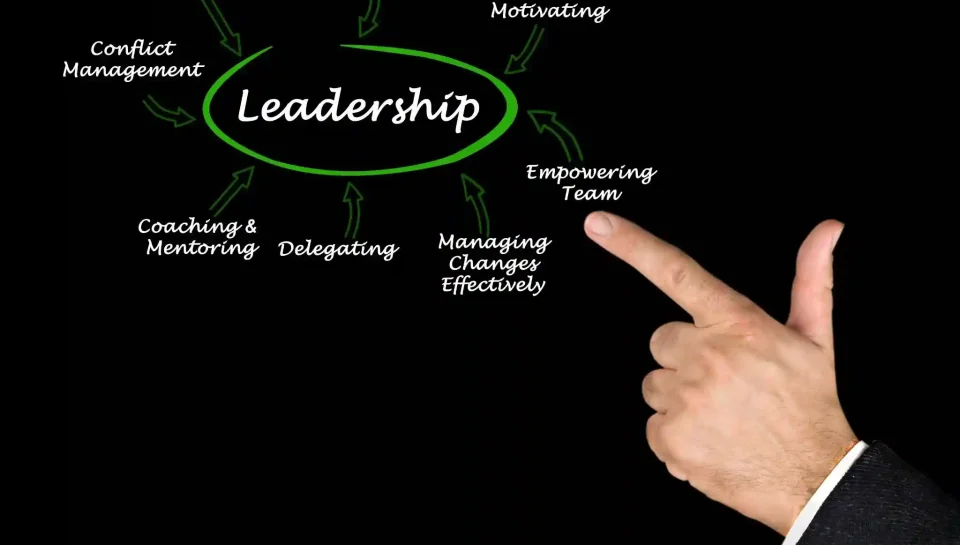
Leadership is one of the most important factors shaping a company’s success. The way a leader communicates, motivates, manages challenges, and makes decisions can completely transform how a team performs. While every leader has a unique personality, the business world tends to categorize leadership behaviors into several recognizable styles. These styles help us understand the strengths and limitations of different approaches and how they influence a professional work environment.
Leadership has never been a one-size-fits-all concept. The modern workforce is diverse, fast-paced, and constantly evolving, meaning leaders must understand how different styles impact productivity, creativity, communication, and employee satisfaction. Some leadership styles create structured, organized environments, while others encourage innovation and independence. Recognizing these styles gives managers a clearer understanding of how to lead effectively and how to adapt when needed.
This guide explores the most common leadership styles used in professional business settings, highlighting how each one functions and what leaders should know before applying them.
What Defines a Leadership Style?
A leadership style is a consistent pattern of behavior that a leader uses when guiding a team. These behaviors influence:
-
communication
-
decision-making
-
conflict resolution
-
motivation
-
work delegation
-
accountability
-
overall culture
Leadership styles aren’t fixed. Many leaders naturally use one approach but adapt depending on the team, situation, or goals. Understanding these styles helps leaders choose the approach that supports performance and employee satisfaction.
The Most Common Leadership Styles in Business
1. Transformational Leadership
Transformational leaders inspire and motivate employees by focusing on long-term vision, innovation, and personal development. They aim to “transform” the workplace by encouraging people to exceed expectations.
Key Traits
-
Inspirational communication
-
Focus on growth
-
High energy
-
Vision-oriented
-
Supportive guidance
Strengths
Transformational leaders elevate morale, enhance creativity, and strengthen team commitment. Employees feel valued and challenged in meaningful ways.
Challenges
If expectations are too high, employees may feel overwhelmed. Transformational leadership also requires strong communication and emotional intelligence.
2. Transactional Leadership
Transactional leadership centers on structure, rules, and clear expectations. Leaders use rewards and consequences to maintain performance and productivity.
Key Traits
-
Organized
-
Task-focused
-
Practical
-
Clear instructions
-
Strong accountability
Strengths
This style ensures tasks are completed efficiently and consistently. It works well in industries that require precision.
Challenges
It may limit creativity or discourage employees who want more autonomy or emotional connection.
3. Democratic (Participative) Leadership
Democratic leaders invite team input and value collaboration. Employees have a voice in decisions, creating a shared sense of ownership.
Key Traits
-
Open communication
-
Inclusive decision-making
-
Respectful listening
-
Trust-building
-
Collective problem-solving
Strengths
Democratic leadership boosts morale and increases creativity. Employees feel included, which strengthens engagement.
Challenges
The decision-making process may take longer, especially when teams have differing opinions.
4. Autocratic Leadership
Autocratic leaders make decisions independently, relying on authority and control. This style is direct and structured, often used in high-stakes environments.
Key Traits
-
Decisive
-
Commanding
-
Structured
-
High control
-
Clear direction
Strengths
Ideal for urgent situations when fast decisions are crucial. It reduces confusion by eliminating debate.
Challenges
Employees may feel restricted or undervalued. It can lower creativity and reduce job satisfaction.
5. Laissez-Faire Leadership
Laissez-faire leaders take a hands-off approach, allowing employees to manage their own tasks and make decisions independently.
Key Traits
-
High trust
-
Minimal supervision
-
Employee empowerment
-
Flexible environment
Strengths
Great for creative teams or highly skilled professionals who thrive independently.
Challenges
If used with inexperienced teams, it may lead to disorganization or lack of direction.
6. Bureaucratic Leadership
Bureaucratic leaders follow established rules, policies, and procedures closely. They value consistency and compliance.
Key Traits
-
Rule-oriented
-
Highly organized
-
Risk-averse
-
Structured systems
Strengths
Works well in industries requiring safety, regulations, or standardized processes.
Challenges
This style can hinder innovation and frustrate employees who value flexibility.
7. Servant Leadership
Servant leaders prioritize their team’s needs before their own. Their goal is to support and empower employees through empathy and active listening.
Key Traits
-
Humble
-
Supportive
-
Emotionally aware
-
Team-focused
-
Compassionate
Strengths
Builds loyalty, trust, and strong relationships. Employees feel deeply valued and supported.
Challenges
If balance is not maintained, leaders may put others’ needs above organizational goals.
8. Coaching Leadership
Coaching leaders focus on long-term employee development. They aim to grow individuals by offering guidance, feedback, and personalized support.
Key Traits
-
Growth-focused
-
Patient
-
Encouraging
-
Long-term mindset
Strengths
Improves team skills, confidence, and independence. Excellent for companies investing in employee development.
Challenges
Coaching takes time and may not suit fast-paced environments with immediate demands.
Choosing the Right Leadership Style in Business
No single leadership style works for all situations. Effective leaders understand how to shift styles based on the team’s needs, organizational goals, and workplace culture.
Here’s what leaders should consider:
1. Analyze Team Dynamics
Different teams require different approaches. Experienced teams may need autonomy, while new teams need structure and support.
2. Understand Organizational Priorities
Creative companies benefit from democratic or transformational leadership. Highly regulated industries may need transactional or bureaucratic leadership.
3. Evaluate Personal Strengths
Leadership should feel authentic. The best leaders adapt while staying true to their core values and communication style.
4. Consider the Situation
Emergencies require quick autocratic decisions. Innovation requires flexibility. Growth requires coaching or transformational leadership.
How Leadership Styles Influence Workplace Culture
Leadership affects everything — communication, morale, performance, conflict, and even staff turnover.
1. Innovation and Creativity
Democratic, coaching, and laissez-faire styles encourage idea-sharing and experimentation.
2. Productivity and Efficiency
Transactional and autocratic styles maintain structure and consistent output.
3. Employee Satisfaction
Servant and transformational leaders often create the most positive, supportive environments.
4. Team Collaboration
Participative and coaching leaders strengthen communication and shared responsibility.
How Leaders Can Improve Their Leadership Style
Leadership growth is a continuous process. Here are practical steps leaders can take:
1. Seek Feedback Regularly
Understanding how employees experience your leadership provides clarity on blind spots and strengths.
2. Improve Active Listening
Listening shows respect, builds trust, and reduces misunderstandings.
3. Build Emotional Intelligence
Leaders who understand emotions manage conflict better and motivate teams more effectively.
4. Continue Learning
Training programs, books, workshops, and mentorship help leaders adapt to new leadership demands.
5. Practice Adaptability
Effective leadership requires shifting styles based on circumstances, not staying stuck in one approach.
Frequently Asked Questions
1. What is the most common leadership style used in professional business environments?
Many businesses rely on a combination of transformational and transactional leadership because these styles balance inspiration with structure. Transformational leaders motivate teams and drive innovation, while transactional methods ensure accountability. Together, they create a productive environment that supports creativity while maintaining clear expectations and measurable results for consistent performance.
2. How can leaders determine which leadership style suits their team best?
Leaders can identify the best style by observing team behavior, assessing skills, and noticing how employees respond to different communication methods. Understanding the team’s experience level, independence, and challenges helps leaders choose an approach that supports performance. Surveys, feedback, and direct conversations also guide leaders toward an effective leadership style.
3. Can a leadership style change over time?
Yes. Leadership styles evolve as leaders gain experience, adapt to new environments, and learn more about their team’s needs. Personal growth, feedback, and changes in workplace culture often shift leadership behavior. Effective leaders stay flexible, refining their style as responsibilities grow and organizational priorities change over time.
4. Which leadership style is best for improving employee engagement?
Servant, coaching, and transformational leadership styles are most effective for improving engagement because they emphasize growth, emotional support, and empowerment. These approaches help employees feel valued, connected, and motivated to contribute. When leaders invest in people rather than just tasks, engagement increases naturally and consistently across the organization.
Conclusion
Common leadership styles in professional business each offer unique benefits that shape how teams work, communicate, and grow. Understanding these styles helps leaders choose the approach that supports productivity, creativity, and emotional wellbeing. The strongest leaders know how to blend styles, adapt to challenges, and create an environment where people feel supported and inspired to succeed.
Choosing the right style isn’t about being perfect, it’s about being intentional, aware, and willing to lead with clarity and purpose.