

Revolutionizing Agriculture: How Nanotechnology is Shaping Modern Farming

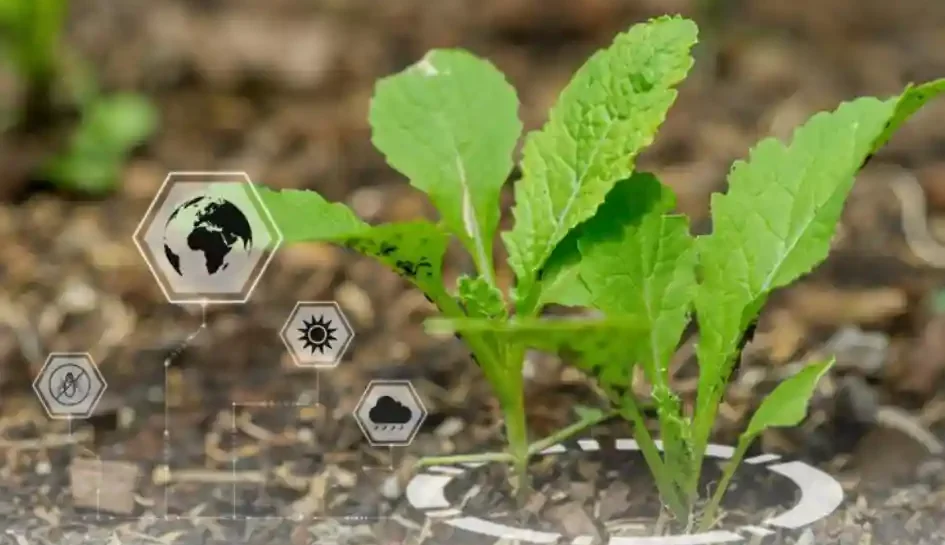
Modern agriculture is constantly evolving to meet the demands of a growing population and changing environmental conditions. Among the latest innovations, nanotechnology has emerged as a powerful tool that can transform traditional farming practices. By working at the microscopic level, nanotechnology offers new ways to enhance crop production, protect plants from diseases, and make farming more sustainable. The integration of nanotechnology in farming is proving to be a game-changer for farmers around the world.
Understanding Nanotechnology in Agriculture
Nanotechnology involves manipulating materials at the nanoscale, which is one-billionth of a meter. In agriculture, this technology allows scientists and farmers to create highly efficient solutions that traditional methods cannot achieve. From improving soil quality to delivering nutrients more effectively, nanotechnology in farming provides precise tools to optimize plant growth and reduce waste. This precision helps farmers achieve higher yields while using fewer resources.
Improving Crop Nutrition and Fertilization
One of the most significant applications of nanotechnology in farming is in crop nutrition. Nanoparticles can be engineered to carry essential nutrients and release them slowly over time. This targeted approach ensures that plants receive the right amount of nutrients when they need them most. Unlike conventional fertilizers that can leach into the soil or water, nanoscale fertilizers improve absorption and reduce environmental contamination. As a result, crops grow healthier, and farmers can use fertilizers more efficiently.
Enhancing Pest and Disease Management
Pests and plant diseases are major challenges in agriculture. Traditional pesticides can be harmful to the environment and sometimes fail to reach their intended target. Nanotechnology in farming has introduced nano-pesticides that are more effective and environmentally friendly. These tiny particles can be designed to release active ingredients only when in contact with pests or infected plants. This method minimizes chemical use and reduces damage to beneficial insects and surrounding ecosystems, supporting sustainable farming practices.
Water Management and Soil Health
Efficient water usage is critical in modern agriculture. Nanotechnology offers solutions for smart irrigation and water management. Nano-sensors can monitor soil moisture levels in real time and provide farmers with accurate information to optimize irrigation schedules. Additionally, nano-enhanced soil treatments can improve water retention and soil fertility. By combining these technologies, farmers can conserve water while maintaining high productivity, which is especially important in regions facing droughts or water scarcity.
Early Detection and Crop Monitoring
Nanotechnology is also revolutionizing crop monitoring and disease detection. Nanosensors can detect plant stress, nutrient deficiencies, and pathogen presence at very early stages. This real-time monitoring allows farmers to respond quickly and prevent major crop losses. By integrating these sensors with modern digital farming tools, such as mobile apps or automated systems, farmers gain valuable insights that help them make informed decisions and improve overall farm management.
Sustainability and Environmental Benefits
The use of nanotechnology in farming contributes significantly to sustainability. By improving nutrient efficiency, reducing chemical use, and optimizing water management, this technology minimizes the environmental impact of agriculture. Nanotechnology helps create a balance between high productivity and ecological responsibility. As global demand for food continues to rise, adopting these technologies ensures that farming remains both productive and environmentally friendly.
Conclusion
Nanotechnology in farming is transforming the way we grow and manage crops. From precise fertilization and smart pest control to water conservation and early disease detection, this technology provides innovative solutions for modern agriculture. By embracing nanotechnology, farmers can increase yields, reduce environmental impact, and build a more sustainable food system for the future. As research and development continue, the role of nanotechnology in farming will only expand, promising a brighter, more efficient, and greener agricultural landscape.